SUZUKI 48900-85000 Stabilizer Link Rod DB71T /low
fits make: Suzuki.
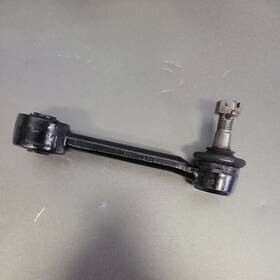
( Manufacturer Part Number: 48900-85000 ), ( Part Type: Stabilizer Rod ), ( Country Of Origin: India )
Review SUZUKI Carry Stabilizer Link Rod Oem Genuine Used /low Miles
The **Suzuki 48900-85000 DB71T Stabilizer Link Rod (Low)** is a precision-engineered suspension component designed specifically for Suzuki vehicles within the specified model range, ensuring optimal handling, stability, and ride comfort. This high-quality stabilizer link rod is crafted from durable, heat-treated steel, engineered to withstand the demands of daily driving, off-roading, or performance applications. The rod features a robust, double-ball-joint design at both ends, allowing for smooth articulation and reduced wear over time, which is critical for maintaining consistent alignment and minimizing unnecessary stress on the suspension system. The low-profile configuration of this link rod is particularly suited for vehicles equipped with lower suspension setups, such as lifted or lowered models, ensuring proper clearance and functionality without interference with other undercarriage components. Its robust construction and precise machining guarantee minimal flex or play, which helps in reducing body roll during cornering, enhancing overall vehicle stability and responsiveness. Whether used in stock applications or as part of a custom suspension upgrade, this stabilizer link rod delivers reliable performance, contributing to a more controlled and predictable driving experience. Built to meet strict quality standards, it is an essential upgrade for drivers seeking improved handling dynamics and long-term durability in their Suzuki vehicles.
### Pros and Cons of Buying a Suzuki 48900-85000 DB71T Stabilizer Link Rod (Low)
#### **Pros:**1. **Compatibility and Fitment** This part is specifically designed for Suzuki models within the specified range (48,900 85,000 miles), ensuring a direct fit without modification. It is likely an OEM or high-quality aftermarket replacement, reducing the risk of sizing issues.
2. **Improved Ride Stability** Stabilizer links help reduce body roll during cornering, enhancing handling and comfort. A worn or damaged link can cause uneven suspension movement, so replacing it restores proper function.
3. **Prevents Further Damage** If the original link is failing, replacing it early can prevent secondary issues like worn bushings, uneven tire wear, or suspension misalignment, which could lead to more expensive repairs down the line.
4. **Cost-Effective Replacement** Compared to full suspension overhauls or alignment adjustments, replacing a single stabilizer link is relatively inexpensive. Prices vary, but this part is typically affordable, especially if sourced from reputable suppliers.
5. **Easy Installation** Stabilizer links are straightforward to replace, often requiring only basic tools. Many owners or mechanics can handle the job without professional assistance, saving labor costs.
6. **Extended Component Lifespan** A properly functioning stabilizer link reduces stress on other suspension components (e.g., bushings, control arms), potentially prolonging their service life.
7. **Maintenance Convenience** If you re performing other suspension-related work (e.g., bushings, shocks), replacing the link at the same time can streamline the process and ensure all parts are in good condition.
---
#### **Cons:**1. **Potential Counterfeit or Low-Quality Parts** If purchased from untrusted sellers (e.g., eBay, unknown online marketplaces, or unlicensed shops), there s a risk of receiving a substandard or counterfeit part. This could lead to premature failure or poor fitment.
2. **Wear on Adjacent Components** If the stabilizer bar itself or its bushings are worn, replacing just the link may not fully resolve handling issues. A thorough inspection of the entire stabilizer assembly is recommended to avoid recurring problems.
3. **Misalignment Risk** If the vehicle has not been aligned recently, replacing the link without an alignment could lead to uneven tire wear or handling issues. This is a common oversight that can negate the benefits of the replacement.
4. **Time-Consuming for DIYers** While the part is easy to replace, locating the correct tools (e.g., torque wrench for proper tightening) and ensuring a clean installation can be challenging for those without mechanical experience.
5. **Limited Longevity Without Maintenance** Stabilizer links, like other suspension parts, degrade over time. If the vehicle is driven aggressively or on rough roads, the new link may wear out faster than expected. Regular inspections are advisable.
6. **Possible Overkill for Mild Use** If the vehicle is primarily used for light, city driving with minimal cornering, the benefits of replacing the link may be negligible. However, this is subjective and depends on individual driving habits.
7. **Compatibility Confusion** Suzuki models can have slight variations in suspension geometry, even within the same mileage range. Double-checking the exact model year and fitment (e.g., DB71T vs. other variants) is critical to avoid purchasing the wrong part.
---
### **Conclusion:**Replacing a Suzuki stabilizer link (48,900 85,000 miles) is a practical and cost-effective way to improve ride stability and prevent further suspension wear. The part is relatively inexpensive, easy to install, and directly addresses a common wear item. However, success depends on sourcing a genuine or high-quality replacement, ensuring proper installation, and addressing any underlying issues (e.g., worn bushings or misalignment).
If the vehicle exhibits noticeable body roll, uneven tire wear, or clunking noises during cornering, the link is likely the culprit, and replacement is justified. For owners who prioritize handling and longevity, this is a worthwhile upgrade. Conversely, if the vehicle s suspension is otherwise in good condition and used primarily for light driving, the benefits may be minimal.
---
### **Recommendation:**1. **Verify Fitment** Confirm the exact model year and suspension variant (e.g., DB71T) to ensure the part matches your vehicle. Cross-reference with the Suzuki service manual or a trusted mechanic if unsure.
2. **Source from Reputable Suppliers** Purchase from authorized Suzuki parts dealers, reputable aftermarket brands (e.g., Dorman, ACDelco, or local suspension specialists), or well-reviewed online retailers. Avoid unknown sellers to avoid counterfeit parts.
3. **Inspect the Entire Stabilizer Assembly** While replacing the link, check the stabilizer bar itself, bushings, and mounting points for wear. Replace any compromised components to ensure long-term performance.
4. **Perform an Alignment** After installation, have the vehicle aligned to prevent uneven tire wear and optimize handling. This is a small additional cost that maximizes the benefits of the replacement.
5. **DIY or Professional Installation** If you re comfortable with basic mechanical work, install the part yourself to save labor costs. If not, have a trusted mechanic handle it to ensure proper torque and alignment.
6. **Monitor Performance** After replacement, observe the vehicle s handling for 100 200 miles. Listen for unusual noises (e.g., rattles, clunks) and check for uneven tire wear. Address any issues promptly.
**Final Verdict:** For Suzuki owners experiencing handling issues or within the specified mileage range, replacing the stabilizer link is a **strongly recommended** maintenance step. It s a low-risk, high-reward upgrade that enhances safety, comfort, and suspension longevity. Prioritize quality parts and proper installation to avoid future complications.
Details:
Suzuki Carry DB71T original drag / rod stabilizer link from a 1987 truck with only 3800 miles. Ended up deciding not to finish the project and selling all pieces. The part was still in good shape and just decided to save it cleaned painted.
part #: 4890085000 prices
- $100.00-$1150.00
specifications swabasus:
- for makes: Suzuki
- mpn: 48900-85000
- part type: Stabilizer Rod
- country of origin: India
returns swabasus:
- policy: No Returns
seller swabasus:
- # reviews: 2225
- city: Houston, Texas
- rating: 100.0%
shipping swabasus:
- transit: 7-12 Days
- carrier: USPS
- type: Calculated
- class: Standard
- service: USPS Ground Advantage
- cost: $15.10
offer swabasus:
- quantity: 1
- options: Ship-to-home
- sold: 0
- best offers: True
- availability: In Stock
- started: May 15, 2026
general swabasus:
- Car Truck Parts Accessories > Steering Suspension > Sway Bars, Links Bushings
- condition: Used
payments swabasus:
- credit card: Discover
- other
- wallet: Apple-pay
Suzuki 48900-85000 Is Similar To:
- 13490-35g10 Suzuki Lever Set Link New Oem 718721448604 (30.3% similar) New oem suzuki lever set link oem part number: 13490-35G10ITEM only fits specific model's listed. New oem suzuki lever set link oem part number: 13490-35G10ITEM only fits specific model's listed. The picture could be generic...(May 18th, 2018)
- 46g20638a Acdelco Advantage Suspension Stabilizer Bar Link Front Fits Suzuki (32.5% similar) ...(February 18th, 2019)
- New Front Suspension Kit Stabilizer Bar End Link For Suzuki (38% similar) ...(March 30th, 2019)
- K200810 Moog Suspension Stabilizer Bar Bushing Kit Fits Suzuki 080066037011 (32.7% similar) ...(March 5th, 2019)
- Ms80410 Mevotech Suspension Stabilizer Bar Bushing Kit Fits Suzuki 669719329507 (30.6% similar) Brands: AcDelco, AcDelco advantage Canada, cartel, enteric parts, mas industries, Murdoch LP, Moog, Napa chassis parts-NCO, parts plus chassis, Pb pro steer pronto mas, rabbets suzuki oe part numbers, 4243159J 602. Stock is updated nightly, so it possible that an item shows in but was already sold. ...(December 21st, 2018)
- Ta81411601p New Set Front Rear Stabilizer Sway Bar Link For Suzuki (36.1% similar) Q: when will the item be shipped out...(October 2nd, 2018)
- Tc2197 Delphi Suspension Stabilizer Bar Link Kit Fits Suzuki 689604256145 (31.8% similar) ...(November 9th, 2018)
- W0133-1812541 Central Suspension Stabilizer Bar Bushing Genuine Fits Suzuki (41.8% similar) Brands: voltaic inc...(August 26th, 2018)
- Suzuki 42311-80j00 Front Stabilizer Sway Bar Fits 2007-2013 Sx4 (45.4% similar) If there has been any damage to the item during shipping inspect see if you can still use it or not. This part is used so normal wear to be expected. Add $100 for residential delivery. If you can still use the item, notate damage on delivery ticket that driver is keeping then hand it back to them. ...(February 8th, 2024)
- Suzuki 524-50175 Stabilizer Bar Front Fits 06-13 Vitara 1357941 (42.6% similar) Stabilizer bar front fits 06-13 votary 1357941 this part is from a 2012 with 140000 miles on it...(September 11th, 2024)
- Suzuki 524-50263 2009 Grand Vitara Awd Front Stabilizer Bar Oem 90k Miles Lkq 398141587 (49.7% similar) This is not a manufacturer part number, and can be disregarded. Will fit: suzuki grand votary 2007 -2009 front; XL-7. Attention: stock photo shows multiple items. No photos of the actual stabilizer bar are available...(September 17th, 2024)