JAGUAR 524-58798A Xjs Front Stabilizer Bar V12 6.0L
fits make: Jaguar. year: 1994–1995.
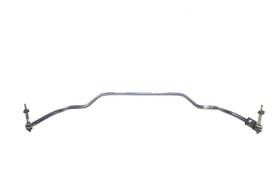
( Conditions Options: 6.0l V12 Front ), ( Genuine Oem: Yes ), ( Ipn: 524-58798a ), ( Descriptionpartcondition: 1994 1995 Jaguar Xjs Oem Front Stabilizer Bar V12 6.0l ), ( Manufacturer Warranty: 90 Day ), ( Placement On Vehicle: Front ), ( Type: Sway Bar ), ( Oe/oem Part Number: C368871 ), ( Partout Id: A-127599756 )
Review JAGUAR Xjs Oem Front Stabilizer Bar V12 6.0l fits 1994–1995
The **Jaguar XJS Front Stabilizer Bar (Part Number: 524-58798A) for the 1994 1995 V12 6.0L models** is a precision-engineered suspension component designed to enhance the handling dynamics and overall driving experience of this iconic British sports car. Crafted from high-grade, heat-treated steel, this stabilizer bar is built to withstand the rigorous demands of both daily driving and spirited performance, ensuring long-lasting durability and reliability. The bar features a robust, torsion-resistant design that effectively reduces body roll during cornering, allowing the XJS to maintain a more composed and predictable stance on the road. Its sleek, polished finish and clean mounting hardware including the necessary bushings, mounting brackets, and connecting links ensure a seamless integration with the vehicle s existing suspension geometry, minimizing installation complexity while maximizing performance benefits. Whether navigating tight city streets or carving through sweeping curves at higher speeds, this stabilizer bar helps deliver the refined stability and agility that Jaguar enthusiasts expect from their V12-powered XJS. Ideal for both restoration projects and performance upgrades, it serves as a critical component for those seeking to restore or enhance the handling precision of their classic Jaguar, bridging the gap between raw power and controlled responsiveness.
### **Pros and Cons of Buying a 1994-1995 Jaguar XJS (V12 6.0L) with a Worn Front Stabilizer Bar**
#### **Pros**
1. **Iconic Design and Prestige**
The Jaguar XJS, particularly the V12 model, is one of the most recognizable and desirable British sports cars of the 1990s. Its elegant, timeless styling and luxury-oriented interior carry significant prestige, making it a statement vehicle.
2. **Strong V12 Engine (6.0L AJ-V12)**
The AJ-V12 engine is a legendary powerplant, producing around **300 350 horsepower** (depending on tuning) and delivering a deep, throaty exhaust note that enthusiasts love. It offers a smooth, torque-rich driving experience, especially when properly maintained.
3. **Classic Jaguar Driving Dynamics**
The XJS has a classic rear-wheel-drive layout with a live rear axle, providing a more engaging and traditional driving feel compared to modern independent suspensions. The steering is precise, and the car handles well for its size, especially when tuned.
4. **Luxury and Comfort**
The interior is spacious, well-appointed with leather, wood trim, and high-quality materials. The seats are comfortable for long drives, and the overall cabin feels refined, making it suitable for both daily use and leisurely cruising.
5. **Potential for Restoration and Modification**
The XJS has a strong aftermarket support, with parts readily available for restoration or performance upgrades. Common modifications include engine tuning, suspension upgrades, and cosmetic enhancements, which can significantly improve both performance and value.
6. **Collectible Status**
The 1994 1995 models are part of the final run of the original XJS design before Jaguar transitioned to the XK series. As such, they hold collector appeal, especially in well-documented or restored condition.
7. **Potential for Low Mileage Examples**
Some XJS V12s were used as taxis or executive cars, meaning you may find lower-mileage examples that have been well-maintained. These can offer better reliability and longevity.
---
#### **Cons**
1. **High Maintenance Costs**
Jaguar s V12 engines, while powerful, are known for their complexity and expense to maintain. Common issues include:- **Timing chain stretch** (can lead to catastrophic engine failure if ignored)
- **Water pump and thermostat failures** (often require frequent replacement)
- **Suspension wear** (ball joints, bushings, and shocks degrade quickly)
- **Electrical gremlins** (common in older Jaguars, including faulty sensors and wiring issues)
- **Exhaust manifold leaks** (a frequent problem that can lead to overheating)
Parts and labor for these repairs can be **significantly more expensive** than for modern vehicles.
2. **Rust and Structural Issues**
Many XJS models, especially those from the early '90s, suffer from **rust in critical areas** such as the subframe, sills, and rear quarter panels. A thorough inspection is **essential** rust can compromise structural integrity and lead to costly repairs.
3. **Poor Fuel Economy**
The V12 engine consumes **12 15 MPG (city/highway)**, making it impractical for daily commuting or long-distance driving on a budget. Fuel costs add up quickly.
4. **Aging Suspension and Handling**
The original suspension (shocks, springs, bushings) is worn and can make the car feel **soft and unstable** at higher speeds. The front stabilizer bar (which you mentioned is worn) affects cornering stability replacing it is a **recommended first step** to improve handling.
5. **Reliability Concerns**
While some XJS V12s run reliably, many suffer from **chronic issues** if not properly maintained. Common problems include:- **Oil leaks** (valve cover, oil filter housing gasket)
- **Transmission wear** (especially in automatic models)
- **Power steering failures** (common in older XJS models)
- **Brake system degradation** (warped rotors, worn pads, and calipers)
Without a **detailed service history**, it s difficult to predict long-term reliability.
6. **Depreciation and Market Value**
While the XJS holds some value as a collector car, it does not appreciate as quickly as some other British classics (e.g., early Mustangs, Corvettes, or Porsches). The market is **niche**, meaning resale value may not justify the purchase price if you plan to sell later.
7. **Driving Challenges**
- **Poor visibility** (especially in rear visibility due to the long hood)
- **Narrow rear seats** (uncomfortable for passengers over 6 feet tall)
- **Manual transmission models** (if available) can be **difficult to drive in stop-and-go traffic** due to the heavy clutch and tall gearing.
8. **Insurance Costs**
Due to its high value, performance, and parts cost, **insuring a V12 XJS can be expensive**, especially for younger or inexperienced drivers.
---
### **Conclusion and Recommendation**
#### **Who Should Buy This Car?**
- **Enthusiasts who prioritize driving experience and prestige over practicality** and are willing to invest time and money in maintenance.
- **Restoration or project car buyers** who enjoy working on classics and have mechanical skills (or access to a trusted mechanic).
- **Owners who primarily use the car for weekends, track days, or special occasions** rather than daily driving.
- **Those who can afford the hidden costs** of ownership, including potential major repairs (timing chain, suspension, electrical issues).
#### **Who Should Avoid This Car?**
- **Budget-conscious buyers** the XJS is **not a cheap-to-own vehicle**, especially in poor condition.
- **Daily drivers** fuel costs, maintenance, and reliability issues make it impractical for regular use.
- **Those without mechanical experience or access to a good Jaguar specialist** this car requires **proactive maintenance** to avoid costly failures.
- **Buyers who want a low-maintenance, high-reliability classic** there are better options (e.g., BMW M5, Mercedes 500E, or Porsche 944) that balance luxury and practicality.
#### **Final Recommendation**
If you **inspect the car thoroughly** (or have a trusted mechanic do so) and confirm:**No major rust in critical areas**
**A complete service history** (especially for the V12, timing chain, and suspension)
**A recently replaced front stabilizer bar** (and other worn suspension components)
**No major electrical or transmission issues**
then **buying a 1994 1995 Jaguar XJS V12 can be a rewarding experience** for the right owner. However, **budget at least $10,000 $15,000 annually for maintenance** (or more if major repairs are needed) and be prepared for **high insurance costs and fuel expenses**.
**Alternative Considerations:**- If you love the XJS but want something more reliable, consider a **later-model XK8 (1997 )** with the AJ-V8 engine it s still a Jaguar but with better reliability.
- If you want a **V12 Jaguar with better practicality**, look at a **1993 1996 XJ220** (though these are rare and expensive).
- For a **more modern luxury sports car with Jaguar heritage**, the **F-Type (2013 )** offers better reliability and technology.
**Bottom Line:** The 1994 1995 XJS V12 is a **fantastic car for the right person** one who appreciates its charm, is prepared for its quirks, and can afford its demands. For everyone else, it may be a **costly hobby** rather than a practical purchase.
Details:
1994 1995 Jaguar XJS OEM Front Stabilizer Bar V12 6.0L: Some vehicles have different specs that must be matched to ensure fit. Please see pictures for reference of what is included. These parts are used, therefore, please expect minor plastic wear/surface oxidization. Orders placed after 2:00 pm CST cannot be guaranteed shipping that day.
Stabilizer Bars are guaranteed to be non-broken and in good used shape. Also, please see our notes for what specific vehicle this item is Examples: Is your front wheel drive or rear. Not just our Heritage, but Legacy 1994 1995 Jaguar XJS OEM Front Stabilizer Bar V12 6.0L.
specifications swabasus:
- for makes: Jaguar
- for years: 1994-1995
- conditions options: 6.0l V12 Front
- genuine oem: Yes
- ipn: 524-58798a
- descriptionpartcondition: 1994 1995 Jaguar Xjs Oem Front Stabilizer Bar V12 6.0l
- manufacturer warranty: 90 Day
- placement on vehicle: Front
- type: Sway Bar
- oe/oem part number: C368871
- partout id: A-127599756
offer swabasus:
- sold: 0
- best offers: True
- quantity: 1
- options: Ship-to-home
- availability: In Stock
- started: May 13, 2026
general swabasus:
- Car Truck Parts Accessories > Steering Suspension > Sway Bars, Links Bushings
- condition: Used
seller swabasus:
- rating: 99.7%
- # reviews: 63406
- city: Mobile, Alabama
payments swabasus:
- other
- credit card: Mastercard
- wallet: Google-pay
shipping swabasus:
- class: Standard
- service: Standard
- cost: $35.00
- type: Fixed
- transit: 2-6 Days
returns swabasus:
- policy: Returns Accepted
- paid by: Buyer
- time: 30 Days
Jaguar Is Similar To:
- 101-5691 Suspension Stabilizer Bar Link Fits Jaguar (44.8% similar) Suspension stabilizer bar link fits jaguar x-type beck Enterprise is for 1 - adjust qty as needed...(May 4th, 2018)
- 8n68749336t6j6p Dlz Rear Stabilizer Bar Link For Jaguar Pass Driver Side (32.1% similar) Appreciate your understanding...(March 8th, 2019)
- Aj812516 Jaguar Oem F-pace Stabilizer (45.1% similar) Please for all of your British car needs. DHL, or ups. Orders are shipped out daily by us. Export shipping is always discounted whether it by federal express, DHL or ups...(November 17th, 2017)
- Avb0569 Crp Suspension Stabilizer Bar Bushing Fits Jaguar 888544065767 (35.6% similar) Price is for 1 - adjust quantity in cart...(October 8th, 2018)
- C 46186r Wd Express Eurospare Suspension Stabilizer Bar Link Fits Jaguar Xjs (35.5% similar) ...(May 11th, 2018)
- C2d21343 Jaguar Oem 13-15 Xj (28% similar) Est, Mon to Fri...(June 26th, 2017)
- C2d22335 Jaguar Oem 11-15 Xj (28% similar) Est, Mon to Fri...(June 27th, 2017)
- C2p18877 Jaguar Oem 10-14 Xk (28% similar) Please for all of your British car needs. Export shipping is always discounted whether it by federal express, DHL or ups. Orders are shipped out daily by us...(November 17th, 2017)
- C2p23535 Jaguar Oem 03-08 S-type (30.9% similar) Est, Mon to Fri...(June 27th, 2017)
- C2p23536 Jaguar Oem 11-15 Xj (28% similar) Est, Mon to Fri...(June 27th, 2017)
- C2s10234 Eurospare Sway Bar Bushings Fits Jaguar Qty (13.7% similar) These fit: jaguar x-type two new euro spare brand front rear sway bar bushings with felt lining, part number C2S10234, C2S51264, C2S51264004, C2S-51258...(August 13th, 2018)