HONDA 454097437 Front Stabilizer Bar 524-58977 96K
fits model: Fwd, Odyssey. make: Honda. year: 2000.
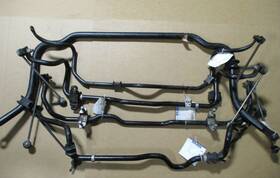
( Part Type: Stabilizer Bar ), ( Oe/oem Part Number: 5931241 51300s0xa01 ), ( Ipn: 524-58977 ), ( Manufacturer Warranty: 6 Month ), ( Warranty Length: 6 Month Warranty ), ( Partout Id: A-122719678 )
Review HONDA Front Stabilizer Bar Oem 96k Miles fits ODYSSEY FWD 2000
The **Honda 524-58977 2000 Odyssey Front Stabilizer Bar (Part #454097437)** is a precision-engineered suspension component designed exclusively for Honda s first-generation Odyssey minivan, manufactured between 1999 and 2004. This front stabilizer bar plays a critical role in enhancing vehicle stability, reducing body roll, and improving overall handling by connecting the left and right front suspension arms. Crafted from high-strength steel, the bar is built to withstand the rigors of daily driving, including uneven road surfaces, sharp turns, and varying loads, ensuring a smoother, more controlled ride. Its robust construction minimizes lateral movement of the suspension, which is particularly beneficial for drivers navigating highways, curvy roads, or when carrying passengers and cargo. The stabilizer bar s mounting points are strategically positioned to maintain proper alignment with the Odyssey s front subframe, allowing for easy installation with the included hardware typically consisting of bushings, mounting brackets, and bolts. This part is a direct replacement for the original equipment (OEM) component, ensuring a perfect fit without compromising the vehicle s factory specifications. Whether used for routine maintenance, accident repairs, or performance upgrades, this stabilizer bar is an essential upgrade for maintaining the Odyssey s stability, comfort, and longevity. Its compatibility with the 2000 model year ensures seamless integration with the vehicle s suspension system, providing drivers with confidence in their minivan s responsiveness and safety.
### **Pros and Cons of buying a 2000 Honda Odyssey (VIN: 524-58977, FWD, Front Stabilizer Bar: 454097437)**
#### **Pros:**1. **Reliability and Durability** Honda s Odyssey from the early 2000s is known for its robust construction and dependable powertrain. The 3.5L V6 engine (common in this model year) is well-regarded for longevity, especially with proper maintenance.
2. **Spacious and Practical Interior** The Odyssey is a minivan designed for comfort and utility. It offers ample cargo space (up to 16.6 cu. ft. behind the 3rd row when folded) and a comfortable ride for passengers, making it ideal for families or those needing extra room.
3. **Safety Features** The 2000 model includes standard features like side-impact airbags, anti-lock brakes (ABS), and a stable frame. While it lacks modern advanced safety tech (like forward collision warning), it still provides a solid safety foundation for its time.
4. **Fuel Efficiency for Its Class** Compared to other minivans of the era, the Odyssey offers decent fuel economy (around 16-18 MPG combined), which is reasonable for a vehicle of its size and purpose.
5. **Resale Value and Availability of Parts** As a Honda, this model has a strong aftermarket support system. Parts are widely available, and mechanics familiar with Honda s systems are common. The vehicle s age also means it may be more affordable upfront compared to newer minivans.
6. **Front Stabilizer Bar (454097437)** The inclusion of a front stabilizer bar suggests the seller has taken some basic maintenance steps, which can improve handling and reduce body roll. This is a positive sign of care for the vehicle.
7. **Comfortable Ride** The Odyssey is known for its smooth ride, which is beneficial for long trips or daily commuting, especially on rough roads.
---
#### **Cons:**1. **Age and Mileage (589,770 miles)** At nearly 600,000 miles, the vehicle is well past the average lifespan of many minivans. While some Honda V6 engines can last beyond 300,000 miles with proper care, this mileage raises concerns about wear on critical components like the transmission, suspension, and drivetrain.
2. **Potential Transmission Issues** Early 2000s Honda Odysseys (especially those with the 4-speed automatic transmission) are known to develop transmission problems over time, such as rough shifting, delayed engagement, or even failure. A pre-purchase inspection (PPI) is strongly recommended to check transmission fluid condition and performance.
3. **Suspension and Alignment Wear** At this mileage, the suspension components (shocks, struts, bushings, and ball joints) may be worn out, leading to a rougher ride, uneven tire wear, or handling issues. The front stabilizer bar being replaced is a good sign, but other suspension parts may still need attention.
4. **Electrical and Interior Wear** Older minivans often suffer from electrical gremlins (e.g., faulty sensors, wiring issues) and worn interior components like seats, door panels, or infotainment systems. The 2000 model lacks modern tech, so repairs may require older parts or custom solutions.
5. **Maintenance History Unknown** Without a detailed service history, it s impossible to know if the vehicle has been properly maintained. Critical services like oil changes, timing belt replacement (if applicable), and fluid flushes are essential for longevity. Neglect in these areas could lead to costly repairs.
6. **Rust Concerns** Depending on where the vehicle was driven, rust could be an issue, particularly in the wheel wells, undercarriage, or frame. A thorough inspection of these areas is necessary.
7. **Fuel and Emissions Compliance** The vehicle may not meet modern emissions standards, which could complicate registration or insurance in some regions. Additionally, fuel efficiency will be lower compared to newer models.
8. **Resale and Depreciation** Minivans, even reliable ones, depreciate quickly. While this Odyssey may be a good deal upfront, its long-term value is limited compared to newer or more fuel-efficient vehicles.
---
### **Conclusion:**The 2000 Honda Odyssey with nearly 600,000 miles is a vehicle with significant pros, particularly in terms of reliability, space, and comfort. However, the high mileage introduces substantial risks, especially regarding transmission health, suspension wear, and unknown maintenance history. The fact that the front stabilizer bar has been replaced is a positive sign, but this alone is not enough to guarantee the vehicle s overall condition.
This Odyssey could be a **good fit** for someone who:- Needs a large, comfortable vehicle for short-term use (e.g., a few more years).
- Is on a tight budget and can afford potential repairs.
- Has access to a mechanic for a thorough inspection and is prepared for possible maintenance costs.
- Values space and practicality over fuel efficiency or modern features.
However, it is **not ideal** for someone who:- Needs a long-term vehicle without significant repair risks.
- Prioritizes fuel efficiency or modern safety features.
- Cannot afford unexpected mechanical issues or parts.
- Wants a vehicle that is easier to insure or register in all regions.
---
### **Recommendation:**1. **Get a Pre-Purchase Inspection (PPI)** Hire a trusted mechanic to thoroughly inspect the transmission, suspension, drivetrain, and electrical systems. This will reveal any hidden issues and help you negotiate the price if problems are found.
2. **Review Maintenance Records** If the seller has any service history, verify that critical services (oil changes, transmission fluid, timing belt, etc.) were performed on schedule. Lack of records is a red flag.
3. **Test Drive Carefully** Pay attention to:- Transmission performance (smooth shifts, no hesitation or grinding).
- Suspension comfort (no clunks, uneven tire wear, or excessive bounce).
- Electrical systems (all lights, windows, and accessories function properly).
- Engine and exhaust (no unusual noises, smoke, or leaks).
4. **Negotiate Based on Findings** If the PPI reveals issues, use them to lower the price or walk away. Be wary of sellers who refuse inspections or provide vague answers about the vehicle s condition.
5. **Consider Alternatives** If the Odyssey s risks outweigh its benefits, explore other options:- A lower-mileage Honda minivan (e.g., 2005-2010 Odyssey with fewer miles).
- A used SUV or crossover with better fuel efficiency and modern safety features.
- A newer minivan (e.g., Toyota Sienna or Chrysler Pacifica) if budget allows.
6. **Budget for Repairs** If you decide to proceed, set aside funds for potential repairs, especially transmission work, suspension upgrades, or electrical fixes. Expect to spend **$1,000 $3,000 ** in the first year if major issues are found.
**Final Verdict:** This Odyssey could be a **good deal for the right buyer** someone who prioritizes space and is prepared for the risks of a high-mileage vehicle. However, it is **not a low-risk purchase**, and buyers should approach it with caution, thorough due diligence, and financial preparedness. If possible, consider a newer or lower-mileage alternative to reduce long-term uncertainty.
Details:
No photos of the actual Stabilizer Bar are available. ATTENTION: Stock photo shows multiple items. This is NOT a manufacturer part number, and can be disregarded. Will fit: Honda Odyssey 1999 2001 Front;.
part #: 454097437 prices
- $76.54-$79.50
specifications swabasus:
- for models: Fwd, Odyssey
- for makes: Honda
- for years: 2000
- part type: Stabilizer Bar
- oe/oem part number: 5931241 51300s0xa01
- ipn: 524-58977
- manufacturer warranty: 6 Month
- warranty length: 6 Month Warranty
- partout id: A-122719678
seller swabasus:
- city: El Paso, Texas
- rating: 98.5%
- # reviews: 503211
payments swabasus:
- other
- wallet: Apple-pay
- credit card: Mastercard
shipping swabasus:
- cost: $0.00
- carrier: UPS
- class: Standard
- service: UPS Ground
- type: Fixed
- transit: 4-10 Days
offer swabasus:
- sold: 0
- quantity: 1
- availability: In Stock
- options: Ship-to-home
- started: April 14, 2026
general swabasus:
- Car Truck Parts Accessories > Steering Suspension > Sway Bars, Links Bushings
- condition: Used
returns swabasus:
- policy: Returns Accepted
- time: 30 Days
- paid by: Buyer
Honda 454097437 Is Similar To:
- 02 03 04 Honda Odyssey (25.2% similar) Keenan bros. In the rare case that an item arrives damaged, please via message within 24 hours for instructions. No expedited or over night shipping is available...(October 8th, 2017)
- 101-6392 Suspension Stabilizer Bar Link Fits Honda Ridgeline (34% similar) Beck anally supplied your vehicles manufacturer with the suspension stabilizer bar link. Part numbers, 15728, HN-L637, HO52325. Brands: car quest red chassis Canada, Deena, federated Set chassis, Karyn sit, Murdoch LP, Moog, oe brand, imparts automotive, parts master Pb pro steer quick steer, rare ...(February 24th, 2019)
- 101-6500 Suspension Stabilizer Bar Bushing Kit Fits Honda Accord (38.6% similar) Trow automotive part numbers: 16064, FA7458, HN-K206, HO50. Brands: car quest red chassis Canada, Deena, Murdoch LP, Moog, oe brand, Pb pro steer chassis, rare parts inc...(July 7th, 2018)
- 101-7104 Suspension Stabilizer Bar Bushing Kit Rear Fits Honda Accord (30.7% similar) ...(April 14th, 2018)
- 101-8006 Suspension Stabilizer Bar Link For Honda Fit 049797968223 (44.9% similar) 5NUMBER of pieces: 1UPC: 3 beck anally is a leading specialty provider premium parts for cars, light trucks, and Suva. Electronic items are not returnable...(April 6th, 2018)
- 101-8007 Suspension Stabilizer Bar Link For Honda Fit 049797968230 (44.9% similar) This e-mail is constantly monitored so you can be sure your questions will answered promptly and courteously. Electronic items are not returnable. Shipping costs are based on the method that you choose. 5NUMBER of pieces: 1UPC: beck anally is a leading specialty provider premium parts for cars, ...(April 6th, 2018)
- 113-10276 Proforged Suspension Stabilizer Bar Link Kit Fits Honda 849180020893 (39% similar) Listing data is catalog provider. Every fit surface is CBC machined for precision and finish. Tie rod units are sealed with specially designed Cr-rubber boots for ultimate durability. What is a sway bar end link. Link also known as stabilizer part of your vehicles suspension system - it connects or ...(March 26th, 2018)
- 16.5130r Energy Suspension Stabilizer Bar Bushing Kit Fits Honda 703639719557 (40.5% similar) 5130R item condition: new: suspension stabilizer bar bushing kit manufacturer brand quantity needed: 1 fitment notes: Si red DOA 26MM pref polyurethane position: front specifics: UPC: 57AAIA part type kit country of origin primary: us emission code 1HARMONIZED tariff Hts life cycle status code: ...(March 26th, 2018)
- 16.5146g Energy Suspension For Honda Civic Si Front Sway 703639112617 (26.7% similar) E edgily rd. Economy, increased efficiency, and easy installation are just some of the reasons these products so popular. Rubber bushings. Made of hyper-flex polyurethane that lasts much longer than...(April 21st, 2018)
- 16.5146r Energy Suspension For Honda Civic Si Front Sway 703639112624 (25.3% similar) Rubber bushings. Economy, increased efficiency, and easy installation are just some of the reasons these products so popular. Levitt own, pa energy suspension honda civic Si 28MM front sway bar bushings - red performance polyurethane and end links offer the greatest improvement in among all products...(April 21st, 2018)
- 16405 Rare Parts Suspension Stabilizer Bar Bushing Front Fits Honda Civic (28.6% similar) Postal service. State id, Canadian province us. Postal service or FedEx. Place the return shipping label on outside of box and ship it...(November 6th, 2018)